
Healing After Betrayal: How an Infidelity Marriage Therapist Helps Rebuild Trust
Plano, United States - January 28, 2026 / Melodie Alexander Counseling /
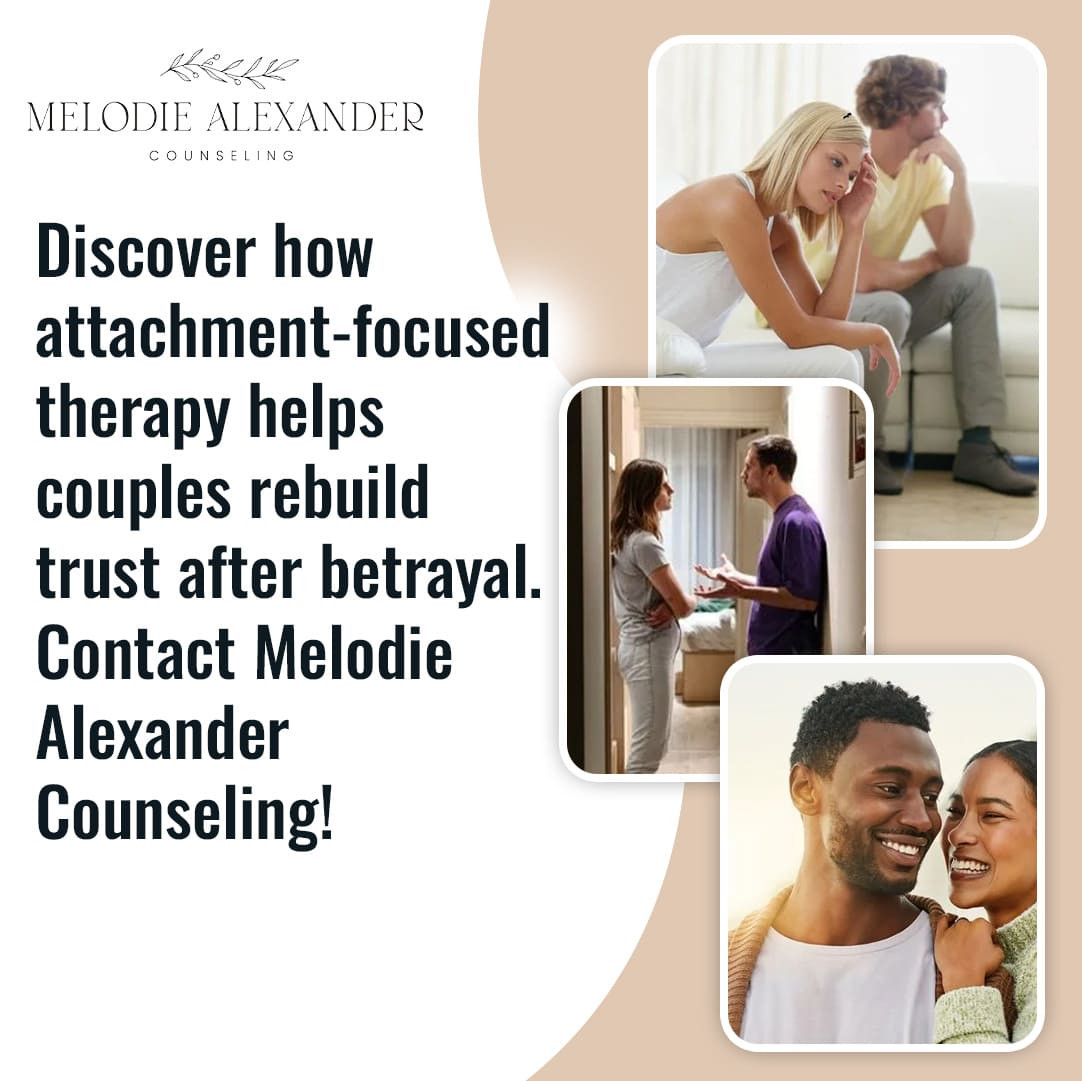
Plano, TX- Melodie Alexander Counseling has released a new educational blog examining how couples can heal after infidelity through structured, attachment-focused therapeutic care. The resource addresses why betrayal often leads to prolonged emotional distress and outlines how evidence-based counseling approaches support trust repair and emotional stabilization following an affair.
Infidelity remains one of the most destabilizing experiences in intimate relationships. Research cited in the blog indicates that infidelity is associated with heightened symptoms of anxiety, depression, and trauma-related stress for the noninvolved partner. The newly published content provides clinical context for these reactions and explains how professional marriage counseling in Plano supports couples navigating the aftermath of betrayal.
Infidelity as a Source of Relational Trauma
While infidelity is often framed as a violation of commitment, mental health research increasingly recognizes it as a form of relational trauma. Studies referenced in the blog note that betrayal can disrupt emotional safety and attachment security, triggering intense psychological and physiological responses.
According to research by Shrout and Weigel (2020), noninvolved partners frequently experience elevated stress and mental health symptoms following infidelity, particularly when the betrayal is appraised as threatening or destabilizing. The study highlights that post-infidelity distress is shaped not only by the event itself, but by how individuals cognitively interpret responsibility, causality, and relational meaning.
The blog explains that these stress responses may include intrusive thoughts, emotional flooding, heightened vigilance, and avoidance behaviors. These reactions are framed as adaptive nervous system responses rather than exaggerated emotional reactions, helping normalize why recovery often feels overwhelming for couples.

Post-Infidelity Stress Responses and Emotional Safety
According to NeuroLaunch, experiences of infidelity and betrayal of trust can significantly impact emotional and psychological well-being. In clinical settings, therapists sometimes conceptualize these reactions as Post-Traumatic Infidelity Syndrome (PTIS), a term used to describe a pattern of trauma-related responses following the discovery of a partner’s infidelity. While PTIS is not a formal diagnosis, it is referenced in professional discourse to explain why betrayal within an intimate bond can have lasting emotional effects.
Research emphasizes that emotional safety is a critical factor in early recovery. Without stabilization, repeated attempts to process details of the affair may intensify stress rather than reduce it. The Shrout and Weigel (2020) study notes that heightened stress responses following infidelity are strongly linked to increased anxiety and depressive symptoms.
Why Structured Support Matters After Betrayal
The blog highlights the role of structured therapeutic care in helping couples regulate stress responses and avoid retraumatization. Stress-based frameworks referenced in the content explain that individuals experiencing high stress often struggle to access coping resources, making productive communication difficult.
By prioritizing emotional containment before resolution, structured counseling approaches reduce hyperarousal and create space for reflection. This framework aligns with practices commonly used in marriage counseling services that emphasize pacing, emotional regulation, and relational safety rather than immediate problem-solving.
Attachment-Focused Approaches to Trust Repair
Attachment-based therapy models are presented as particularly effective for addressing infidelity-related distress. Research referenced in the blog indicates that attachment injuries disrupt emotional accessibility and reliability, which are central to relational trust.
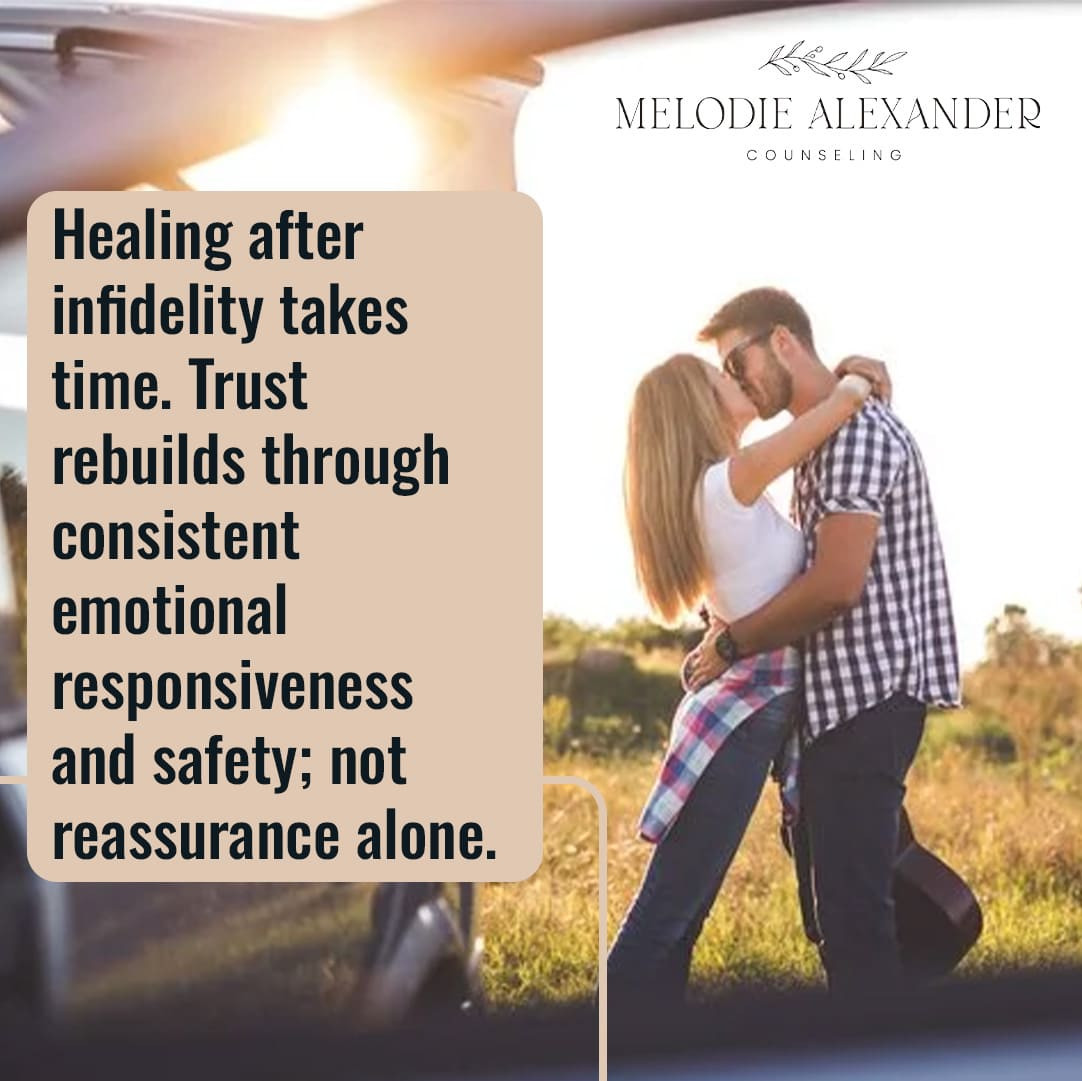
The content explains that trust rebuilding is not achieved through reassurance alone in marriage counseling. Repeated experiences of consistency, emotional responsiveness, and predictability over time help smoothen therapy sessions. This process often unfolds gradually, reinforcing the need for guided support rather than quick resolution.
Individual Differences in Recovery Outcomes
Another key focus of the blog is the role of individual factors in post-infidelity recovery. Shrout and Weigel (2020) identify self-esteem as a moderating factor that can buffer or intensify stress responses following betrayal.
The study suggests that individuals with stronger internal resources may regulate stress more effectively, while those with lower self-esteem may experience prolonged distress. The blog explains how therapeutic support helps address these vulnerabilities by fostering emotional grounding, validation, and relational predictability.
By integrating individual and relational healing, marriage therapy supports more sustainable recovery outcomes for couples navigating betrayal.

About Melodie Alexander Counseling
Melodie Alexander Counseling is a private practice offering individual and marriage therapy with a focus on attachment-based and trauma-informed care. The marriage counseling services in Plano, TX, support adults and couples navigating relational distress, including recovery from infidelity, emotional disconnection, and significant life transitions. Services are grounded in evidence-based therapeutic models that prioritize emotional safety and long-term relational health. To learn more, contact them at (469) 232-7877 or hello@melodiealexandercounseling.com to learn more.

Contact Information:
Melodie Alexander Counseling
5304 W Plano Pkwy
Plano, TX 75093
United States
Melodie Alexander
(469) 232-7877
https://melodiealexandercounseling.com
Original Source: https://www.melodiealexandercounseling.com/blog/healing-after-betrayal-how-an-infidelity-marriage-therapist-helps-rebuild-trust