First Cigarette Butts, Now Vapes: A New Wave of Toxic Tobacco Trash Is Washing Up on America's Beaches
PR Newswire
SAN CLEMENTE, Calif., July 14, 2026
Surfrider Foundation's Beach Cleanup Report finds smoking waste now accounts for 1 in 4 littered items on U.S. beaches, as 500,000 disposable vapes are discarded daily and nicotine pouch sales surge 641%
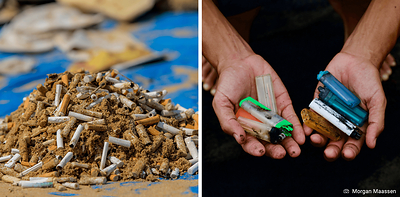
SAN CLEMENTE, Calif., July 14, 2026 /PRNewswire/ -- Can you guess the most commonly collected item at beach cleanups, year after year? The Surfrider Foundation's 2025 Beach Cleanup Report, released today, reveals that cigarette butts once again topped the list — 196,283 were removed from U.S. beaches last year, accounting for 24% of all litter collected. Add in packaging, plastic lighters, vapes, and nicotine pouches, and smoking waste made up a full 25% of the more than 800,000 items that 34,000 Surfrider volunteers cataloged across 1,058 cleanups in 2025 — while removing 338,383 pounds of trash from America's coastlines.
Cigarette butts are not just unsightly litter. They are made of plastic, meaning they never biodegrade, and they contain more than 5,000 chemicals — at least 150 of which are considered highly toxic to marine life. An estimated 4.5 trillion cigarette butts are littered into the environment worldwide every year, and the tobacco industry's trash costs the public an estimated $25.7 billion annually in waste management expenses and lost ecosystem services.
ACCESS SURFRIDER'S BEACH CLEANUP REPORT
Now a new type of smoking trash is washing up alongside the butts. As smokers shift to alternatives, an estimated 500,000 disposable vapes — classified by the EPA as hazardous waste — are thrown away every day in the U.S., and nicotine pouch sales have surged 641% in just four years. Surfrider volunteers are finding these items on beaches in alarming numbers nationwide, and used pouches can retain up to 63% of their nicotine, which is toxic to aquatic life.
"Every cigarette butt, vape, and nicotine pouch our volunteers pick up is a piece of plastic pollution that will never biodegrade — and a data point we can take to lawmakers," said Jenny Harrah, Surfrider's Healthy Beaches Program Manager. "Surfrider's beach cleanup data helped power the plastic bag bans and fees that have cut bag litter by up to 47% nationwide. Our data is now telling us, unmistakably, that smoking trash is the next big fight to keep our beaches clean and healthy."
The report confirms plastic's continued dominance on America's beaches: 85% of all items collected in 2025 were plastic, and nine of the top ten items — from food wrappers to bottle caps — were made of it. A quarter of everything found was plastic fragments, most smaller than a dime, showing how plastic breaks down into smaller pieces and ultimately becoming microplastics that threaten wildlife, coastal ecosystems, and even human health. An estimated 11 million metric tons of plastic pollution enter our ocean every year — the equivalent of dumping nearly two garbage trucks of plastic into the sea every minute.
Surfrider's answer is to turn cleanups into policy change that can stop plastic pollution at the source. Every item volunteers collect is logged in Surfrider's national beach cleanup database, providing the evidence behind programs, campaigns, and policies like "Hold On to Your Butt," cigarette filter sale bans like Santa Cruz County's, proposed bans on single-use disposable vapes in California, and Extended Producer Responsibility laws for tobacco companies in Maine and the European Union. The approach works: plastic bag bans have reduced the amount of plastic bag litter recovered at beach cleanups by 25–47% where they've been implemented, and roughly 100 "Skip the Stuff" policies — including New Jersey's new statewide law — are cutting single-use foodware waste nationwide.
At the end of the day, Surfrider's beach cleanups do more than simply clean the beach — they provide an opportunity to connect with neighbors and build community, provide a hands-on learning experience about the scale and scope of plastic pollution, empower local leadership, and lay the foundation for a cleaner future for our ocean and coasts. Surfrider's Beach Cleanup program demonstrates that through collective action, positive change for a cleaner future is possible.
This important work is supported through the Better Beach Alliance, presented by REEF and supported by Costa. Since 2018, REEF's foundational support for the national-scale and growing impact of Surfrider's Beach Cleanup program has resulted in the removal of over 2.5 million pounds of trash and plastic pollution through over 22,000 beach cleanup events carried out by over 600,000 volunteers.
The full 2025 Beach Cleanup Report, including national program results and regional highlights, is available at surfrider.org.
About the Surfrider Foundation
The Surfrider Foundation is a nonprofit grassroots organization dedicated to the protection and enjoyment of our world's ocean, waves, and beaches for all people through a powerful activist network. Founded in 1984 by a handful of visionary surfers in Malibu, California, the Surfrider Foundation now maintains over one million supporters, activists, and members, with more than 250 volunteer-led chapters and student clubs in the U.S., and more than 1,000 victories protecting our coasts. Learn more at surfrider.org
 View original content to download multimedia:https://www.prnewswire.com/news-releases/first-cigarette-butts-now-vapes-a-new-wave-of-toxic-tobacco-trash-is-washing-up-on-americas-beaches-302824444.html
SOURCE Surfrider Foundation